Posted on — Leave a comment

Roasted Cauliflower with Toasted Almonds & Golden Raisins

Happy Sunday!

I don’t know about you, but lately I have started to have some winter blues. The gloominess is getting to me! Not only that, but I have been running into road blocks with weeknight dinners. Trying to keep my dishes healthy, yet hearty and comforting in the winter months can be a delicate balance.

This week, I tried a new side dish recipe using cauliflower and its’ end result was intriguing and seriously delicious. The tastiness of the roasted cauliflower, toasted almonds, and almond butter mixed with golden raisins and a caper vinaigrette…talk about hitting all the palate notes. This recipe is savory walking down the aisle with sweet and salty on each arm. YUM. I am an adamant fan of cruciferous vegetables, especially in the winter. They are seasonal, inexpensive, hearty, and a nutrition powerhouse.

cauliflower
http://www.farmandforksociety.com/2015/10/cauliflower-101.html

What are cruciferous vegetables?

Cruciferous vegetables include broccoli, cauliflower, cabbage, turnips, brussel sprouts, kale, arugula, radishes, and bok choy to name a few. The classification name cruciferous comes from the latin word cruciferae, which stands for cross or cross-bearing. When these vegetables grow, their four flower petals resemble a cross, hence the meaning of their classification name cruciferous.

These cruciferous vegetables are nutrition rock stars. They contain phytochemicals called glucosinolates, which is R.D.-lingo for a food that is high in antioxidants that help fight off inflammation in the body and ultimately reduce your cancer risk. These vegetables tend to be good sources of vitamin C, dietary fiber, folate,  potassium, and vitamin K. They are also low in calories, fat, and carbohydrates.

How can you get the biggest nutritional bang for your buck with these cruciferous vegetables?

Eat a variety of them! Sounds easy right? Well, the truth is often easier friends. Although many of them contain different amounts of vitamins and minerals, the key to remember is variety. No one vegetable trumps the other. The greater variety you eat, the more likely you are getting a broader spectrum of vitamins and minerals, which is the key to good health.

I personally love to explore and experiment with different ways of cooking these vegetables and side dishes. Cauliflower, in particular, is incredibly versatile. It can be roasted, boiled, steamed, grilled, fried, pickled, or eaten raw. For better nutritional value, avoid boiling and frying. Boiling can reduce the nutritional content and frying adds saturated fat from the frying oil. Cauliflower can make great low carbohydrate options such as cauliflower rice, mashed cauliflower, and cauliflower pizza crust.

Now on to the best part…the recipe! This recipe can be served as a side dish, vegetarian entree, or paired with your favorite protein.

Roasted Cauliflower with Toasted Almonds, Golden Raisins, and Caper Vinaigrette

cauliflower-with-almonds-raisins-and-caper-vinaigrette

Yield: 4 servings, Cook time: 20 minutes, Total time: 40 minutes

Ingredients:

  • 1 head cauliflower, cut into small wedges and rinsed
  • 6 Tbsp extra virgin olive oil
  • Kosher salt and black pepper
  • 2 Tbsp Sherry cooking wine
  • 1 Tbsp honey
  • 2 Tbsp capers, roughly chopped
  • 1/4 cup golden raisins
  • 1/4 cup toasted almonds, sliced
  • 1/4 cup plain bread crumbs
  • 1/2 cup almond butter

Directions:

  1. Preheat oven to broil or 500 degrees F. Toss cauliflower with 3 tablespoons olive oil, bread crumbs, and 1 Tbsp sherry wine. Season with salt and pepper to taste. Coat an aluminum foil-lined baking sheet with cooking spray or olive oil. Spread the cauliflower evenly on the baking sheet. Roast in the oven until cauliflower starts to lightly brown on both sides, about 20 minutes. Flip the cauliflower halfway through to allow both sides to brown.
  2. While the cauliflower is roasting, combine 3 Tbsp olive oil, 1 Tbsp sherry wine, honey, and capers for your vinaigrette.
  3. Toast almonds in a small saute pan for about 3-5 minutes until lightly browned. Set aside.
  4. In the same or slightly larger saute pan, heat the almond butter on medium-low heat until warm.
  5. On a serving plate, spread the warm almond butter along the plate. Next, place the roasted cauliflower on top of the almond butter and top with vinaigrette, toasted almonds, and raisins. Serve immediately.

Enjoy!

-EAW

Resources:

Posted on — Leave a comment

Tips for Boosting Vitamin D Intake

fullsizerender

Happy Sunday friends! Being that Sunday is a great day for reflection, this week I am urging you to reflect on your vitamin D intake. You may be thinking, “vitamin D, just another vitamin…how could it possibly be that essential to health?” or “foods are fortified with that right?” I am here to tell you it is very important and it may not be as easy as you think to get enough in. This past week, I participated in a media segment for WZZM 13 (see link below for full video). As I prepared this segment, as a dietitian, I was even surprised by how challenging it can be to get enough vitamin D in, especially in the winter Michigan months. So this week, I urge you to reflect on your diet to make sure you are getting enough vitamin D in or consider supplementation. I will tell you why…

Vitamin D is the vitamin that is essential for bone health. It not only helps reduce risk of osteoporosis and osteomalacia, but it also has been shown to help the immune system, muscle function, cardiovascular function, respiratory system, brain development, and have anti-cancer effects.

http://www.wzzm13.com/entertainment/television/programs/my-west-michigan/boosting-your-vitamin-d-intake/387029604

fullsizerender_2

According to recent reports from the CDC, research shows about one-quarter of Americans were at risk for vitamin D inadequacy and close to 10% were deficient. Individuals at risk for deficiency include those with darker skin tones, overweight or obese, breastfed infants, older adults, those with Crohn’s or Celiac disease, and individuals living in northern climates.

How much do we need?

According to the Food and Nutrition Board, infants up to 12 months need 400 international units (IU), children, teens, and adults from ages 1-70 years require 600 IU, adults 71 years and older need 800 IU, and pregnant or breastfeeding women require 600 IU.

How do I get enough vitamin D?

The best sources of vitamin D are UV rays from sunlight and dietary sources or supplementation. Ten to fifteen minutes of summer sun midday before applying sunscreen can produce the body’s requirement for vitamin D. However, if you don’t have access to sun year round, you must depend mostly on dietary intake. Unfortunately, there are not many naturally occurring vitamin D-containing foods. On a positive note, many foods are now fortified with vitamin D, such as milk and orange juice, making it a little easier to meet vitamin D intake requirements. Here is a list of other vitamin D food sources:

  • Salmon, 3 oz: 447 IU
  • Mackerel, canned, 3 oz: 264 IU
  • Tuna, albacore, 3 oz: 122 IU
  • Tuna, white, canned, 3 oz: 72 IU
  • Cod liver oil, 1 Tbsp: 1281 IU
  • Fortified margarine, 1 tsp: 25-36 IU
  • Fortified orange juice, 1 cup: 100 IU
  • Fortified milk, 1 cup: 115-124 IU (depending on fat percent)
  • Fortified yogurt, 6 oz: 80 IU
  • Sardines, 2 each: 56 IU
  • Eggs, 1 large: 41 IU
  • Fortified cereal, 1 cup: 40 IU

Key tips to remember:

  • Try eating fatty fish in a variety of ways, especially throughout winter months.
    • Ahi tuna sushi bowl
    • Mini salmon cakes or croquettes (can also do this with tuna)
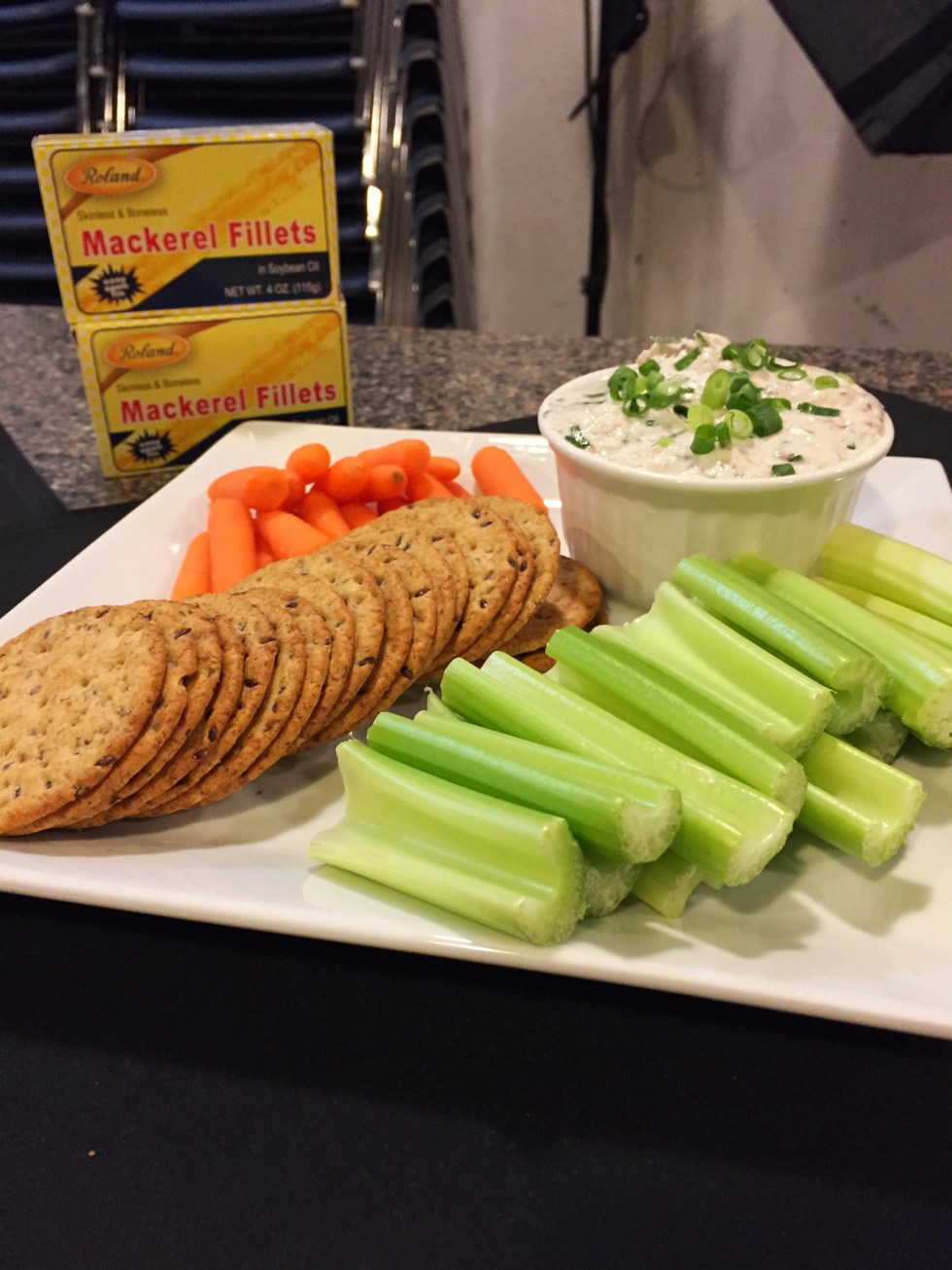
    • Mackerel dip with whole grain crackers and veggies
    • Sardine toast (avocado slices, canned sardines, and sliced jalapeno on a piece of dark rye bread. Squeeze lime on top.)

fullsizerender_1

fullsizerender_3

fullsizerender_4


fullsizerender_5

  • When choosing milk, orange juice, yogurt, or margarine, always make sure it is fortified with vitamin D.
  • Still not sure if you are getting enough vitamin D? Talk to your doctor about trying vitamin D supplements. If done safely, dietary supplementation can be a healthy way to ensure you are getting enough vitamin D.

img_5415

Now that I have given you some great ideas for incorporating more vitamin D in your diet, get out there and try some! Have a great week!

-EAW


Resources:

Posted on — Leave a comment

A Beginner’s Guide to Butternut Squash

Butternut squash

I love butternut squash due to its versatility in cooking and that beautiful orange flesh color. Butternut squash is a type of winter squash. It is hearty enough to pass as a starch substitute, while also doubling as a vegetable. It is PACKED with vitamin A due to its high content of beta and alpha-carotene. It is also a great source of vitamin C, fiber, potassium, and magnesium.

  • Double bonus: It has little to no salt, fat, or cholesterol (what’s not to love?!).
  • Triple bonus: Winter squashes are a cancer-fighting food! That beta carotene is a carotenoid aka a fancy word for an antioxidant, which helps reduce inflammation, support immune function, and keep the cells in your body functioning properly.

How to pick:

  • Choose a squash that is heavier in weight when comparing squashes.
  • Take a look at the rind. If it is starting to turn dark brown or black, look for a different squash. The rind should not show any signs of rotting.

Storing:

  • Store in a dry, dark place for up to a month. Once cut, refrigerate in a sealed bag or container for up to a week.

Cutting:

butternut-squash-cutting

  • Woof. This can be a daunting task. But hey. We NEED that beta-carotene so let’s do this.
    • First, start by making a couple slits in the outside skin of the squash and microwave for 1-3 minutes to soften the skin.
    • Next, take your chef’s knife and cut off the fattest end of the squash.
    • Stand your squash up on the cutting board and peel the skin off length-wise with a sturdy vegetable peeler.
    • Here is where it can get tricky. Key to remember: keep whatever you are cutting stable and not wobbly for your safety. Cut length-wise down the middle of the squash.
    • Scoop out the seeds from the inside of the squash. From here, chop the squash as desired.

Serving Size: 1/2 cup cooked

Can’t find the butternut squash at the store? Look for its cousin squashes: acorn, butternut, spaghetti and hubbard.

5 Top Ways to Enjoy Butternut Squash

  1. Make a butternut squash soup! See my yummy recipe below.
  2. Opt for an easy one-pot dish by roasting cubed butternut squash with herbed chicken breasts and parmesan asparagus for an easy weeknight dish.
  3. Puree roasted butternut squash and add to your favorite pasta with a little cheddar cheese for a reduced fat spin on mac’n’cheese.
  4. Slice butternut squash length-wise into wedges, drizzle with sea salt and EVOO, and roast for low-carb french fries.
  5. Steam cubed butternut squash with chickpeas, curry powder, red curry paste, and coconut milk and serve over white or brown rice for a quick, vegetarian dish.


Butternut Squash, Carrot, and Ginger Soup

butternut-squash-soup

Servings: 6 (1 1/2 cups per serving)

Prep time: 20 mins, Cook time: 1 hr, Total time: 1 hr 20 mins

Ingredients:

  • 4 cloves garlic, finely chopped
  • 2 cups carrots (I used baby carrots because that’s what I had on hand. If using whole carrots, peel, clean, and slice in half)
  • 1 Butternut squash, sliced in half length-wise
  • 1 leek, sliced
  • 1 Tbsp fresh ginger, finely chopped
  • 1/4 tsp cumin
  • 1/4 tsp. nutmeg
  • 2 Tbsp extra-virgin olive oil
  • 1 1/2 cups unsweetened soy milk
  • 3 cups reduced sodium chicken broth
  • Salt and pepper to taste (optional)

Directions:

  1. Cut your squash in half length-wise and remove seeds and strings. Place face down on greased cookie sheet. Depending on what type of carrots you decide to use, peel, clean, and slice in half. Toss carrots with 1 Tbsp olive oil and 1/8 tsp cumin. Place carrots in one layer on the rest of your cookie sheet next to the squash. Bake at 350 degrees for 35 minutes.
  2. Slice and wash the leek. Chop garlic and ginger. Heat 1 Tbsp olive oil in a deep-sided large pot over medium heat. Saute the garlic, ginger, and leek for 5 minutes. Add chicken broth to the pot and simmer.
  3. Once a knife easily pierces the outside skin of the squash, remove from oven. Transfer small batches of squash and carrots to food processor. With each batch, add small amounts of soy milk to help puree. Add each batch to large pot. Once all the squash and carrots are pureed with the soy milk and added to the rest of the soup, add the nutmeg and rest of the cumin.
  4. Bring soup to medium heat until small bubbles form on the soup surface. Reduce heat to a low simmer. Add salt and pepper to taste.

Enjoy!

-EAW


Resources:

Posted on — Leave a comment

5 steps to improve your diet in 2017

Project for New Year 2017

Looking to revamp your diet this new year? I’m here to help! Start by following these 5 steps to jump start a healthy diet and lifestyle for the year 2017.

1.Be reasonable. Make SMART goals.

smart-goals

I recommend starting with only two goals. When you have conquered those goals, make more. May not be a bad idea to have one goal focusing on physical activity and one focusing on diet. These two go hand in hand. Let me give you an example of a SMART goal. “I will track my food intake using MyFitness Pal for three days a week for two weeks”. Getting started with cleaning up your diet and lifestyle can be overwhelming, but this is a good place to start to make yourself accountable.

2. Accountability.

accountability

Download MyFitness Pal, LoseIt, or another food tracking app. A plain old notebook and pen will do the trick as well. Try to track your intake for 3 days out of the week for at least 2 weeks. Track 2 days during the week and one on the weekend. The key here is not to obsess over calories. Be honest and track EVERYTHING. That includes alcohol and other sweetened beverages that we often forget contributes to our overall caloric intake. Again the goal here is to not be afraid of what these numbers tell you. Numbers don’t lie and this is part of making yourself accountable. When you are done tracking at the end of the day or week, take a look at your numbers. What do they tell you? Where are the majority of your calories coming from? Could be excess fat, carbohydrates, or that mocha you happen to have every morning at work. You’ll be surprised what you may find.

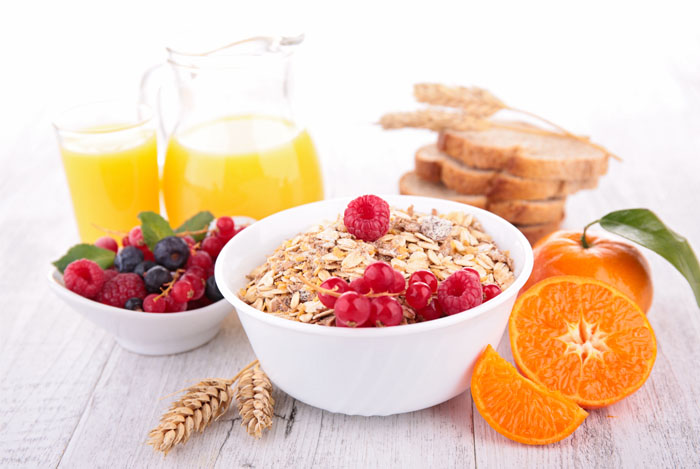
3. Eat breakfast.

healthy-breakfast

This one sounds so easy, but it astounds me how many people skip breakfast or other meals during the day. Rule numero uno: your metabolism is your friend. Use it! A recent study by the NPD group, a marketing research company, found that 31 million Americans (or 10%) are skipping breakfast. The reasons for skipping included not feeling hungry/thirsty or too busy. In this society, everyone is busy friends. This should not be an excuse to skip breakfast. Eating breakfast has also been shown to reduce the risk of being overweight or obese, which is just another great reason not to skip breakfast. There are TONS of healthy, on-the-go options for breakfast available. If you need some healthy, breakfast ideas, try some of these:

  • Reduced sugar oatmeal packet or instant oatmeal prepared with low fat milk topped with walnuts and blueberries.
  • Whole wheat tortilla with 2 Tbsp peanut butter and a whole banana.
  • Low fat yogurt with crunchy cereal or low fat granola with sliced peaches.
  • Two hard-boiled eggs with an apple.
  • Trail mix including almonds, pecans, dried cranberries, and pumpkin seeds.
  • Granola bars (try bear naked or KIND bars)
  • Make your own smoothie by blending low fat milk, frozen strawberries, and a banana.

4. Five a day.

fruit-and-veggies

In other words, focus on getting your five servings of fruit and vegetables a day. With research indicating that 76% of Americans are not meeting their fruit intake recommendations and 87% not meeting their vegetable intake recommendation, I know this is likely to be a struggle for most individuals. This will also be a double bonus in increasing your dietary fiber, vitamin and mineral intake, maintaining a healthy weight, as well as decreasing risk of chronic diseases and cancer. Click here for tips on how to increase your fruit and vegetable intake.

5. Cut back on added sugars.

donut-vs-apple

According to a recent NHANES (National Health and Nutrition Examination Survey) report, Americans consume on average 20 teaspoons of added sugar daily with men and teens being the biggest culprits. My god, that’s a lot of sugar! This intake often comes from sugary beverages, such as pop and juice, and candy, cake, cookies, ice cream, sweetened yogurt, etc. The American Heart Association recommends limiting added sugar intake to 9 teaspoons (36 grams) for men and 6 teaspoons (24 grams) for women daily. For a jump start in reducing your added sugar intake:

  • Add fruit! Instead of adding sugar to your yogurt or cereal, add sliced fruit instead.
  • Try mixing plain yogurt with regular yogurt. Even better, use plain yogurt with a small dash of honey or artificial sweetener.
  • Skip the soda. Water is always the best option. If water isn’t your thing, try Crystal Light or other flavored water (check the label though!)
  • Avoid the table sugar with cereal, morning coffee, or tea. These small amounts of sugar on a daily basis can really add up!

Happy New Year and good luck!

-EAW


Resources:

Posted on — Leave a comment

Kick your cancer risk with diet

cancer-fighting-foods-pic

A couple weeks ago, I had the pleasure of talking about the effects of certain foods on cancer risk for the Friends For Life program at WZZM 13. It was so much fun and again reminds us of the link between diet and cancer. For the video, click the link below. However, please read on for the content below that includes a yummy cancer-fighting recipe!

http://www.wzzm13.com/news/health/breast-cancer/friends-for-life/your-mother-was-right-fruits-veggies-are-good-for-you/367347013

Strong evidence shows that not just one single food, but a variety of fruits, vegetables, whole grains, and legumes in the diet can help reduce cancer risk. Specific vitamins, minerals, and phytochemicals with anti-oxidant properties have shown anti-cancer effects. Research also indicates that extra body fat can increase your cancer risk for 11 different cancers, again emphasizing the importance of following a healthy diet with a focus on plant-based foods. Below are some of MANY foods with cancer-fighting properties.

Apples–

  • What you need to know:
    • Contains quercetin and other flavonoids that are both anti-inflammatory and anti-oxidants
    • Great source of dietary fiber and vitamin C
    • Can help reduce risk of colorectal, mouth, pharynx, larynx, and lung cancer
  • Quick tip: Eat the peel! The peel contains the majority of the quercetin and 1/3 of the phytochemical properties.

Blueberries–

  • What you need to know:
    • One of the highest antioxidant power among fruits due to phytochemical content. Anthocyanins, ellagic acid, and catechins make up just some of these great flavonoids giving blueberry their cancer-fighting properties.
    • Great source of dietary fiber, manganese, and vitamins C and K.
    • Can help reduce risk of colorectal, mouth, pharynx, larynx, and lung cancer, as well as increase self-destruction of lung, stomach, pancreatic and breast cancer cells.
  • Quick tip(s): Got the winter blues for blueberries? Buy frozen! They are still high in nutrients and antioxidant phytochemicals. For double cancer-fighting properties, mix blueberries and ground flax seed in your pancake mix.

Cruciferous Vegetables (broccoli, cauliflower, brussel sprouts, cabbage, etc.)-

  • What you need to know:
    • Although nutrient and phytochemical properties vary amongst cruciferous vegetables, glucosinolates are compounds found in all cruciferous vegetables.
    • Great source of dietary fiber, manganese, potassium, folate, and vitamins C and K.
    • Reduce risk of colorectal, mouth, pharynx, larynx, and lung cancer. Also decrease inflammation and slow cancer cell growth.
  • Quick tip(s): To retain the most nutrients, steam, microwave, stir-fry, or sauté instead of boiling. For extra cancer-fighting properties, combine more than one cruciferous vegetable to make a delicious side dish!

Dry Beans and Peas (Legumes)-

  • What you need to know:
    • Contain cancer-fighting substances, such as lignans, antioxidants from phytochemicals (flavonoids, inositol, sterols, etc.), and resistant starch, which promotes healthy bacteria in the colon.
    • Great source of dietary fiber, protein, folate, and B vitamins.
    • Reduce risk of colorectal cancer.
  • Quick tip(s): Be sure to buy low sodium canned beans as much as possible. Try adding legumes to a salad or roasting them for a high fiber, crunchy snack.

Squash (Winter)

  • What you need to know:
    • Most common varieties: acorn, butternut, spaghetti, and hubbard.
    • Great source of vitamins A and C, dietary fiber, and potassium.
    • Rich in carotenoids, beta-carotene and alpha-carotene, which act as anti-oxidants in the body and help support the immune system.
    • Reduce risk of colorectal, mouth, pharynx, larynx, and lung cancer.
  • Quick tip(s): If you need to go the canned route, be sure to purchase 100% pure pumpkin, instead of the pumpkin pie mix. When selecting a squash that are of equal sizes, opt for the heavier one for more edible flesh.

Grapes or Grape Juice

  • What you need to know:
    • Rich in resveratrol, which is a type of phytochemical in a group of polyphenols.
    • These polyphenols and resveratrol have anti-oxidant properties that have the ability to prevent and slow cancer cell growth in lymph, liver, stomach or breast cancers and trigger cancer cell death in leukemia and colon cancer tumors.
    • The skin of the grape has the most resveratrol content.
    • Red and purple grapes contain significantly more resveratrol than green grapes.
  • Quick tip(s): For more resveratrol, opt for fresh grapes instead of grape jams or raisins. Red wine has resveratrol right? Correct. However, alcohol intake has been shown to increase risk of cancer. Therefore, I wouldn’t depend on red wine for your resveratrol and anti-oxidant effects.


Remember, the best way to get the cancer-fighting effects of these foods is to consume a variety of them together and not just one by itself. These are only some of the many cancer-fighting foods. For more information on cancer fighting foods, be sure to ask your dietitian or check out a more extensive list on American Institute of Cancer Research’s website at www.aicr.org. Check out my delicious recipe below using roasted brussel sprouts with grapes and walnuts for an example using more than one cancer-fighting food. Enjoy!

Roasted Brussel Sprouts with Grapes and Walnuts

grape-brussel-sprouts

Servings: 4

Ingredients:

  • 12 ounces fresh brussel sprouts, halved
  • 1 1/4 cups seedless red grapes, removed from stems and halved
  • 1 Tbsp extra-virgin olive oil
  • 2 Tbsp fresh rosemary
  • Salt and pepper, to taste
  • 1/2 cup walnuts, chopped
  • 2 tsp balsamic vinegar
  • 2 Tbsp 100% pure maple syrup

Directions:

  1. Heat oven to 450 degrees.
  2. Toss brussel sprouts and grapes with olive oil, maple syrup, salt, pepper, and rosemary and place in a rimmed baking sheet or glass baking sheet.
  3. Roast until caramelized about 20 minutes. Remove pan from oven, rotate sprouts and grapes to expose their opposite sides, and mix in walnuts. Roast for another 5-8 minutes. Drizzle with balsamic vinegar.

Resources:

http://www.aicr.org/foods-that-fight-cancer/

-EAW

Posted on — Leave a comment

Breaking down the FODMAP diet

I feel obligated to contribute to the conversation starting around the low FODMAP diet. Not because I’m annoyed by all the publicity it has been getting lately, but because I have seen the amazing relief and impact it can have on an individuals’ life. Personally, I feel utterly spoiled by my iron stomach. It is a rare occasion if I have any form of indigestion after I eat, which is probably why I have have no issues trying new or foreign foods.

I unfortunately see the opposite side of the spectrum more often than not in my job as an oncology dietitian. Quick side note: I do both inpatient work and outpatient work on a daily basis. My inpatient caseload consists of mainly oncology, gastrointestinal (GI), surgical, and bariatric patients. My outpatient is solely oncology. I digress….

One of the worst and most complicated parts of working with oncology (and gastrointestinal for that matter) patients is truly the unknown. Yes, there is so much black and white in the medical field, yet so much gray area. Many of my oncology patients not only face the side effects of chemotherapy and radiation, but also long-standing effects of complex surgeries, often taking out small or massive sections of the gastrointestinal tract. Some surgeries even applying direct chemo treatment to the bowels. Many of these patients recover beautifully and I am once again reminded of the art of science. But then there is a handful of patients who face life-changing gastrointestinal side effects, such as frequent bloating, diarrhea, constipation, or overall abdominal discomfort with food intake. THESE are my people.

The recent publicity surrounding the FODMAP diet shows promising results for individuals  suffering from irritable bowel sydrome (IBS) or frequent bloating, diarrhea, constipation, or abdominal discomfort.  FODMAP stands for “fermentable oligosaccharides disaccharides monosaccharides and polyols”.

  • Fermentable – meaning they are broken down (fermented) by bacteria in the large intestine.
  • Oligosaccharides – “oligo” means “few” and “saccharide” means sugar. These molecules are made up of individual sugars joined together in a chain.
  • Disaccharides – “di” means two. This is a double sugar molecule.
  • Monosaccharides – “mono” means single. This is a single sugar molecule.
  • And Polyols – these are sugar alcohols.

These FODMAP foods are types of short chain carbohydrates that can be digested differently in the small and large intestine. The FODMAP foods can cause fluid to be drawn into the intestines, as well as rapid fermentation, which leads to a gas-producing effect. As a result, the bowels distend and cause abdominal discomfort and bloating.

The diet is not meant to be long term. The initial diet is following a strict low FODMAP diet for about 6-8 weeks then slowly being able to incorporate some of these FODMAP foods back into the diet with the ultimate goal of following a modified low FODMAP diet that manages uncomfortable bowel symptoms. If you do plan on trying this diet, I highly recommend you see a dietitian that is specialized in this area.

So what are some of these high FODMAP foods to avoid…

foodmapno

Seems like a lot, however there are still so many low FODMAP foods…

fodmap-yes

As I said before, this diet is not for the weak at heart. It is clearly a challenge and requires self-discipline, as well as appropriate guidance by a dietitian. With that being said, I have seen individuals that have followed this diet successfully and have life-changing benefits,  allowing them to enjoy eating again.

I have more great news. There is a company called FODY Food Co. that is the first North American company to bring low FODMAP diet-friendly food products (FODY foods). These products include salsa, pasta sauce, granola bars, BBQ sauce, trail mix, etc.

fody-foods

I had the pleasure of trying some of these products and I’m telling you…for someone that is not a fan of jarred pasta sauce, there’s is delicious. Check out some of their products and mission here. I paired their pasta sauce with a little roasted spaghetti squash…YUM.

img_4829

I’m sure this is not the last we will hear of this topic so stay tuned for more information surrounding a healthy gut microbiome 🙂

-EAW


Resources:

http://ibs.aurametrix.com/2011/04/fodmap-diet.html

Low FODMAP Diet: The D.I.Y Beginner’s Guide (Plus PDFs)

http://www.aboutibs.org/low-fodmap-diet/measuring-fodmaps-in-foods.html


Posted on — Leave a comment

What all my foodies need to know NOW

Food trend set photo.jpg

This past week, I did a segment on WZZM 13 featuring the latest and most popular food trends that dietitians and the food industry are talking about. This was by far one of my favorite segments to do. It’s a foodie’s dream to be able to talk and taste the latest food trends. Every year, dietitians and food experts from around the nation come together to discuss the latest in research and the most popular new products in the food and health industry. This is otherwise known as FNCE or the Food and Nutrition Conference Expo sponsored by the Academy of Nutrition and Dietetics.

The major themes from this year’s annual meeting included products to improve gut health, protein in different shapes and sizes, healthy and convenient meals, new types of noodles, and snacks healthier than we’ve ever seen them before. Let’s talk about new products to expect on grocery store shelves this year. Don’t feel like reading? Check out this link to my segment.

http://www.wzzm13.com/entertainment/television/programs/my-west-michigan/food-trends-you-need-to-know-about/352359806

1. Low-FODMAP Foods: New food products are targeting individuals following a low-FODMAP (fermentable oligosaccharides, disaccharides, monosaccharides, and polyols-types of short chain carbohydrates) diet. These products include pasta sauce, protein bars, salsa, and drinks. The FODMAP diet has been used as treatment to help relieve symptoms of irritable bowel syndrome. There are even new apps and certified low-FODMAP foods stamp underway.

2. Shots of Fermentation: Farmhouse Culture, a California-based company, came out with their bottled probiotic drinks, “Gut Shots”, to promote better gut flora. These bottled drinks are made from fermented cabbage and other vegetables. Flavors included garlic dill pickle, ginger beet, smoked jalapeno, and kimchi.

gut-shots

3. Meat out, plants in?: Blended burgers were one of the top foods featured by The Mushroom Council. This burger comprised of half ground beef and half chopped mushrooms to reduce the amount of saturated fat, while still enjoying a tasty burger. However, meatless meals using more beans, legumes, grains, beans, and nuts for protein had a large presence at the expo making a plant-based diet seem easier and less restrictive.

quinoa-burgers

4. Whole Grains On-the-Go: Whole grains are more convenient than ever-available in portable packs, pouches, or cups and many only requiring the addition of hot water. Cucina and Amore is one of the companies that featured quinoa cups that require you to simply add hot water to a paper cup to enjoy quinoa. They come in interesting flavors, such as basil pesto and savory garlic mushroom. Best of all…ready-to-eat or ready in five minutes! Less popular or ancient grains, such as sorghum and barley are also starting to make a comeback in cooking.

grains

5. The New Noodles: With people looking to cut back on refined sugar wherever possible, new types of pasta are making this possible! Creating your own cauliflower rice and spiralizing vegetable noodles has grown lots of popularity in the food blogger world. Several exhibitors at FNCE showcased noodles, such as chickpea penne, green lentil lasagna noodles, edamame and mung bean fettuccine, and black bean spaghetti. These new noodles open up more options for gluten-free individuals and are high in protein and less in carbohydrates.

NewNoodles.jpg

6. Veggies in all Varieties: With Americans still not getting enough vegetables in on a daily basis, companies are finding more and more creative ways to get vegetable servings in. Beet chips, frozen vegetable and fruit blends for smoothies, and veggie fries made with carrots, broccoli, kale, chickpeas, and red pepper were just some of the many different products featured. Salad kits using a variety of vegetables, such as kale, brussel sprouts, and broccoli stalks were on display, as well as a new “superfood” called moringa. Moringa, a leafy green grown from a tree in Haiti, Latin America, and Africa, is trying to compete with kale as the new superfood that provides all 9 essential amino acids.

veggies-in-all-varieties

7. Seeds: From pumpkin seeds to sunflower seeds to flax seeds, seeds were featured in multiple nut bars, as well as seed butters. This new push for using seeds may be surpassing nuts this year.

seeds

Great thanks to #kulikulifoods, #cucinaandamore, #fodyfoods, and #farmhouseculture for your support with making this segment possible. Also, great thanks to Today’s Dietitian Magazine for naming me “RD of the day” for this segment…truly an honor!

-EAW


Resources:

http://health.usnews.com/health-news/blogs/eat- run/articles/2016-10- 20/7-food- trends-you-need- to-know- about-now

http://www.huffingtonpost.com/entry/top-5- nutrition-trends- you-can- use-from- this-years_us_58089f63e4b021af34776746

Posted on — Leave a comment

Flax, Oat, and Pumpkin Muffins

Happy Election Day!

I hope everyone did their part and voted regardless of who for. Depending on what happens in the election, our country may change for better or worse. In the theme of change, I thought to myself how difficult it is sometimes to change eating or lifestyle behaviors. Like any habit, it takes discipline and consistency to maintain a new behavior. It also requires goals that are sustainable long-term and realistic within your lifestyle. Seems easy right? You may be surprised. I have been in plenty of nutrition consultations with patients that desire to lose weight and when offered solutions that change their daily routine, the look on their face often reads “whoa, whoa, whoa, let’s just hold on here”. I am so frequently reminded that food is very personal and often social and emotional in our culture.

However, variety, in particular, is incredibly important to any healthy diet. It increases your likelihood of getting a wider spectrum of vitamins and minerals to keep your body healthy and fight chronic disease. I encourage everyone to take a look at their diet or even lifestyle to see if there is potential for change or improvement. Or in some cases, just to simply add more variety to your life and diet. Change often brings perspective, if nothing else. And perspective into your own diet and lifestyle can only lead to accountability and as a result, a positive change.

In a few weeks, I will be headed down to beautiful Florida for a warm Thanksgiving holiday and frolicking in my bikini happily at the beach (well maybe not frolicking). Knowing that I will be spending the majority of my time in my bikini got me thinking about my diet. I decided to take a deeper dive into my breakfast lately. I decided I needed to be more strict with my carbohydrates in the morning, considering my standard go-to was PB, flax, and banana oatmeal (which don’t get me wrong, is still a healthy option). However, after a week of limiting myself to two hard boiled eggs in the morning, I was starting to really miss my warm breakfasts and more snacks either in the morning or evening. I realized I was missing variety.

This lovely little revelation led me to these pumpkin muffins. After making these muffins, I did half and half breakfasts rotating my hard boiled eggs and these muffins, as well as my oatmeal. Worked like a charm 🙂 These pumpkin muffins are a great source of whole grains, dietary fiber, after-workout snack, or can satisfy an afternoon or evening sweet tooth. Serve these babies warm with a tablespoon or two of natural peanut butter and you’re in business. Enjoy!

Flax, Oat, and Pumpkin Muffins

Yield: 16 muffins

Prep time: 20 minutes, Cook time: 20 minutes, Total time: 40 minutes

Ingredients:

1 cup Pumpkin puree, canned

2 Eggs, large

1/2 cup Honey

3/4 tsp Baking powder

1/2 tsp Baking soda

1/2 cup Brown sugar, packed light

1/2 tsp Cinnamon, ground

1/2 tsp Pumpkin pie spice

1/2 tsp Salt

1 tsp Vanilla

1 1/2 cups All-purpose flour

3 Tbsp Flaxseed, ground

1/4 cup Old-fashioned oats

1/2 cup Vegetable, olive, or canola oil

For topping:

3 Tbsp All-purpose flour

2 Tbsp Brown sugar, packed light

3 Tbsp Old-fashioned oats

2 Tbsp Butter, softened

1 Tbsp Pumpkin puree, canned

pumpkin-mix

Directions:

  1. Preheat oven to 350 degrees. Grease muffin tins and set aside.
  2. In a large bowl, add all dry ingredients and stir until evenly mixed. Create a well in the center and add in your wet ingredients (eggs, pumpkin, oil, honey, and vanilla). Stir until all dry ingredients are absorbed.
  3. In a separate small bowl, mix topping ingredients of flour, brown sugar, oats, and pumpkin puree. Cut in butter and mix until semi-crumbly.
  4. Fill your muffin tins 3/4 the way full, sprinkle the topping on each muffin, and bake for 18-20 minutes or until a toothpick inserted in the center of the muffin comes out clean. Let the muffins cool for about 5-10 minutes and serve warm, freeze for later use, or refrigerate.

pumpkin-muffins

Enjoy!

-EAW

Recipe adapted from Lauren’s latest.

Posted on — Leave a comment

Pumpkin this, pumpkin that…

Guys…this recipe. So easy and so delicious. And it uses everyone’s favorite ingredient this season, pumpkin. Pumpkin is an excellent source of vitamin A from the beta-carotene, dietary fiber, and packed with great vitamins, such as vitamin K. This hearty dish will make you feel all cozy inside after a long fall day, but won’t make you feel as heavy as you do after a standard fettucini alfredo. So enjoy and try not to lick the remnants off your plate!

pumpkin-pasta


Pumpkin, Goat cheese, and Sage Linguini

Yield: 4 servings

Ingredients:

3 cloves garlic, chopped

6 sage, fresh leaves (2 Tbsp for cooking, 2 leaves for garnish)

4 cups spinach

1/2 lb linguini

1-2 tbsp butter

1 cup pumpkin puree

1/2 cup chicken stock

1/4 tsp nutmeg

1/8 tsp cinnamon

1/4 cup light mozzarella cheese

2 oz goat cheese

15 oz light coconut milk

Salt and pepper to taste

Directions:

First, rinse the spinach and place on paper towel to dry. Chop the sage and set aside (save 1 Tbsp for garnish). Next, melt the butter in a large saute pan and saute the garlic in the butter for about 2-3 minutes. Add the pumpkin puree, coconut milk, sage, chicken stock, nutmeg, and cinnamon. Cook on medium-low heat for 5 minutes.

Bring 3 quarts of water and a dash of salt to a rolling boil and add linguini. Cook uncovered for 10-11 minutes and stir occasionally. Drain.

Add goat and mozzarella cheese to pumpkin sauce. Let simmer for 1-2 minutes. Place 1/2 cup fresh spinach on each plate. Mix linguini into pumpkin sauce and layer pasta on top of the spinach. Garnish with fresh sage leaves.

Enjoy!

-EAW

Posted on — 2 Comments

Healthier Halloween

Happy Sunday friends!

This past Monday, I did a segment on Fox 17 news about how you can have a healthier Halloween by making just a few simple swaps. Watch the video here and be sure to check out the fun recipes below…it’s spooky how easy these swaps are muhahaha (ok, I couldn’t resist).

http://fox17online.com/2016/10/10/west-michigan-moves-simple-swaps-for-halloween/

fox-17-halloween

According to CNN, consumers are projected to spend an average of $2.1 billion on Halloween candy each year. With Halloween just a few weeks away, the Halloween candy is flooding the shelves at the grocery store. According to recent reports, kids consume up to 7,000 calories on Halloween. With the American Heart Association warning against excessive added sugar intake in the American diet, it’s important to not let the temptations of Halloween candy debunk you or your children’s healthy lifestyle. By making just a few changes this Halloween, you can help avoid extra weight gain associated with the holiday season.

What’s the general rule of thumb to keep weight off this Halloween?

By following the “Rule of One”, in other words, limiting your sweet or candy intake to one daily around Halloween, you can still participate in the fun, but not over-do it with added sugar. The American Heart Association recommends limiting your added sugar intake to 6 teaspoons daily for women and 9 teaspoons for men.

What are some simple swaps for a healthier Halloween?

  • Create a healthy and fun environment –
    • Start the evening off right by feeding your children a healthy dinner before trick or treating so they are less likely to over-indulge on candy all night.
    • Instead of only having candy and sweets available when friends come over, provide healthier snacks, such as pumpkin clementines, ghostly bananas, or apple monsters. You and your children will be more likely to consume nutrient-dense foods, instead of added calories from sugary candy all night.
  • Change your mentality –
    • Offer miniature-size or snack-size candy bars instead of full size candy bars to help keep the added calories at bay. Two fun size candy bars or 4 miniature candy bars provide close to half the calories of a full size candy bar, while still allowing you to enjoy this fun holiday without the extra weight gain.
    • Rather than giving out only candy to the trick or treaters, try handing out fun and inexpensive toys, such as wax fangs, spooky tattoos, and plastic spider rings. Kids tend to love new toys about as much as candy.
  • Cut calories – Try healthier spins on some of our favorite Halloween sweets or foods.
    • Swap out caramel apples for a pumpkin, peanut butter yogurt dip served with apples or phyllo apple cups.
    • Instead of sugar-laden candy corn in a bowl, spice it up with mini candy corn fruit parfaits, using fresh pineapple, oranges, and vanilla yogurt.
  • Construct a plan –
    • Out of sight, out of mind. This saying tends to be true particularly when considering your Halloween candy both before and after Halloween. Rather than buying your candy ahead of time in preparation for Halloween night, wait to get your candy a day or two before the big night to avoid temptation to break open the candy before the holiday night.
    • This also applies to after Halloween. Don’t let that leftover candy linger around the house even if it is only the miniature or snack size. Make a plan to donate your extra candy to a local food pantry, shelter, or non-profit organization.


Try these easy recipes

I’d like to share the recipes involved in these simple swaps to make your Halloween a healthier one.

Candy Corn Fruit Cocktail

updated-candy-corn-parfait

Yield: 4 servings

Ingredients:

1 cup diced pineapple

4 clementine, peeled and segments separated

½ cup low-fat vanilla Greek yogurt

1 Tbsp. candy corn

Directions:

  1. In a clear parfait glass, layer pineapple, then clementine, followed by Greek yogurt and candy corn.


Apple Monsters

Ingredients:

Apples, cut into slices

Almond butter (or other nut butter)

Slivered almonds

Semisweet chocolate chips

Directions:

  1. Place one apple slice flat on a plate and then spread the back edge with some nut butter. Stick another apple slice into the nut butter so that the two apple slices look like an open mouth.
  2. Stick some slivered almonds vertically into the nut butter to add teeth and then stick two chocolate chips into the upper apple slice to add eyes.


Ghostly Bananas

ghostly-bananas

Ingredients:

Bananas

Semisweet chocolate chips

Directions:

  1. Slice a banana in half and then stick two chocolate chips into the top of the banana to make eyes and add one more chocolate chip underneath those two to make a ghoulish mouth.


Pumpkin, Peanut Butter, Yogurt Dip

pumpkin-dip

Ingredients:

1/2 cup Pumpkin

1/4 cup Plain low fat Greek yogurt

1/4 cup Peanut butter or flour (or PB2)

1/4 cup Baking stevia (or 1/2 cup sweetener that measures like sugar)

1/4 tsp Salt

1/2 tsp Cinnamon

1/4 tsp Pumpkin pie spice

Directions:

  1. Place everything in a small bowl and stir until smooth and creamy. Serve with apples slices.


Apple Phyllo Cups

Yield: 12

Ingredients:

Non-stick cooking spray

2 pounds Granny Smith apples, peeled, cored, and cut into ½-inch chunks

1/3 cup dried cranberries

Juice and finely grated zest of 1 lemon

2 tablespoons agave nectar or honey

2 teaspoons freshly grated ginger

1 teaspoon ground cinnamon

½ teaspoon allspice

3 tablespoons butter, melted

2 tablespoons water

4 (9×16) sheets phyllo pastry, thawed

1 cup fat-free vanilla frozen yogurt 

Directions:

  1. Preheat the oven to 350°F. Coat a standard muffin pan with nonstick spray. Set aside.
  2. In a large pot, combine the apples, cranberries, lemon juice, zest, agave, ginger, cinnamon and allspice. Cook over medium heat, stirring occasionally, until the juices in the pot thicken and very little syrup remains, about 10 minutes, set aside to cool.
  3. In a small bowl, mix the melted butter and water. Unfold the phyllo, lay one sheet on a cutting board, and brush the dough with the melted-butter-water mixture — be sure to keep the pastry you are not working with covered with a damp towel to prevent it from drying out. Repeat three times, stacking the layers of dough on top of each other so that you have four layers.
  4. Cut the stack of phyllo sheets three times crosswise and then cut again lengthwise twice so you have 12 even squares. Lay the phyllo squares in the wells of the muffin pan and gently press them into the cups, letting the edges fold and overlap naturally.
  5. Spoon ¼ cup of cooled apple mixture into the phyllo cups. Bake for 12 to 15 minutes or until nicely browned. Let the apple cups cool in the pan before trying to remove them. Serve warm with a small spoonful of frozen yogurt.

*Quick Tip: Short on time? Buy the pre-made phyllo cups. You just add the filling and bake! Easy peasy.

Happy Halloween!

-EAW


Resources:

http://www.cnn.com/2012/10/30/living/halloween-by-the-numbers/index.html

http://visual.ly/how-much-candy-do-we-eat-halloween

https://dashingdish.com/recipe/pumpkin-peanut-butter-dip/

http://www.collegefashion.net/college-life/healthy-halloween-candy-swaps/

http://www.heart.org/HEARTORG/HealthyLiving/HealthyEating/Nutrition/Added-Sugars_UCM_305858_Article.jsp#.V_et_lIVCJA

http://www.everydayhealth.com/reciperehab/individual-phyllo-apple-cups.aspx