Posted on Leave a comment

Top 5 Common Diet Mistakes

Today is National Registered Dietitian Nutritionist Day so it only seems appropriate to address some of the most common blunders seen in the diet and nutrition world. It seems every day there is a new study coming out romanticizing which foods do or don’t improve health leaving the general public confused or taking extreme measures to better their diet. Here are some of the many things we see our clients struggle with.

Watch my WZZM 13 segment here!

Top 5 Common Diet Mistakes:

  1. A superfood or excessive intake of any one food can’t replace overall bad lifestyle habits. Consuming copious amounts of goji berries and matcha green tea won’t replace a sedentary lifestyle or fatty red meat intake every day. Practicing a healthy lifestyle and consuming a variety of fruits and vegetables, lean protein, low fat dairy, legumes, and complex carbohydrates are key to overall good health. This, in combination with consistent physical activity will have the biggest impact on your health long-term.IMG_7028
  2. All soy is bad. Whole soy foods, such as soymilk, edamame, tofu, or tempeh, in moderate amounts (1-2 servings per day) have actually been shown to potentially have a protective effect when it comes to cancer risk. One serving is 1-cup soymilk, ½ cup edamame, or 1/3-cup tofu. Soy additives in pre-packaged and processed foods are more along the lines of what you should be avoiding or limiting in your daily intake. But then again, you already should be avoiding too much processed foods due to salt content and overall general health.IMG_7151
  3. Focusing too much on foods you need to avoid instead foods you should make sure to include. This might range from whole food groups, such as carbs or fats, to specific foods, such as red meat, sweets, and “high-carb” bananas. I urge you to find what is going work best for you when it comes to a healthy diet. If you don’t want to sacrifice your red meat, then find a way to get >5 servings of fruits and vegetables daily or keep a conscientious eye on getting adequate healthy fats. IMG_7156
  4. Eliminating an entire food group. Carbs are good, no carbs are bad. Fats are good, no fats are bad. All food fits friends. Eliminating a single food group may work in the short-term to kick-start a diet, but it’s best to have a plan for transitioning back into a diet that is all-inclusive. Fat provides energy for the body to function, insulation for essential organs, helps hormones do their necessary work, and absorbs fat-soluble vitamins. Protein is the building block of muscle and helps repair tissues, while carbohydrates provide the main fuel source for bodily functions and can be the biggest contributor to dietary fiber intake. All food groups have important roles in the body. IMG_7073
  5. Following too restrictive of a meal plan. If I had a dime for every time someone asked me for a meal plan… Turns out, following a diet plan that I create for you is likely not the best option long term. You have to be able to “dodge and weave” when it comes to what life hands you, especially when it comes to diet and following a healthy lifestyle. They are going to be days where a coworker brings in a batch of cookies and you are tempted to dig in. The key is being flexible and not so hard on yourself. There are days you will indulge and days when you need to pass on the cookies. There will be more days where a sweet treat presents itself, but just know it shouldn’t always be a yes to indulging and shouldn’t always be a no to restricting. The key is balance. If you restrict yourself too much, you may find yourself feeling “hangry” (hungry and angry) or completely leaving a healthy diet behind because it was too restrictive to begin with. Focus on 1-2 aspects of your healthy lifestyle at a time, whether that be diet or fitness-related.

Although the news or social media platforms may have their hearts are in the right place when it comes to delivering nutrition information, you need to have a keen eye for the type of research the information is coming from. Do your due diligence and look at multiple different sources if possible. If it came from an animal or laboratory study, chances are we have an idea for a potential relationship, but still have no clue as to how this might work in humans yet. If you are still confused, find a local dietitian to consult with. The website eatright.org provides a search engine for finding dietitians located near you. We are happy to help answer all your diet and nutrition questions and direct you in leading a healthier lifestyle.

-EAW

Posted on 1 Comment

Plant-Based Diet: How to optimize your side dishes

A few weeks ago, we (as in myself, another dietitian, and our chef at the hospital) finished up our plant-based diet series on WZZM 13. We capped off the series with strategies for optimizing side dishes. In other words, how to make side dishes as nutritionally dense as possible. On average, at least 75% of Americans do not consume enough fruits and vegetables on a daily basis. Therefore, when it comes to following a plant-based diet, here are a few guidelines to follow to get the most antioxidant-packed side dishes.

Purchase what’s in season.

Buying produce that is in season or grown locally will not only taste better, but often save you money. What’s in season right now (winter) in West Michigan?

  • Apples
  • Onions
  • Potatoes
  • Beets
  • Brussel sprouts
  • Kale
  • Garlic
  • Cauliflower
  • Carrots
  • Clementines
  • Grapefruit

Buy locally at the Fulton Street Market on Saturday mornings or at the Downtown Market. Kingma’s Market also features produce and protein from local Michigan farms.

IMG_7077

Use a combination of pre-cut and fresh ingredients to save time.

Many of my patients find the idea of cutting a whole butternut squash a little daunting and as a result, they often just avoid it. No need! Science is an amazing thing and nowadays there is pre-cut butternut squash along with other vegetables in the produce section. Short on time? Buy a combination of pre-cut and whole, raw vegetables to create a healthy dinner without “slaving” in the kitchen. Note: Pre-cut vegetables tend to break down quicker so be sure to use them within a couple days of purchase. Really, really short on time? Use frozen, cubed butternut squash. You may sacrifice a little flavor, but nothing a little additional seasoning can’t fix. If buying frozen, avoid any frozen vegetables that come with added sauces.

IMG_7107

Aim for at least 3 fruits and/or vegetables in one dish.

The key to reducing your risk of chronic disease and cancer is variety! The more variety, the more likely you are to get a broader spectrum of antioxidants and nutrients. By including at least 3 fruits and/or vegetables in a side or main dish, you really pack in the maximum antioxidant and phytochemical power. An easy way to do this is utilizing one-sheet pans! They save on so much time and are perfect for a quick and healthy weeknight dinner.

IMG_7073.JPG

Try these options below for some of my favorite go-to plant-based side dishes. Keep in mind, any of these can easily be made into an entree by adding a protein (chicken, beef, pork, lentils, beans, tofu, etc.)

Be sure to check out the WZZM 13 visual guide here 🙂

-EAW

Posted on 1 Comment

Pear, Butternut Squash, and Pearl Onion Bake

Got some pears on the verge of being too ripe to eat? This recipe is a perfect way to use them up. This recipe is perfect for the fall or winter. It’s warm, cozy, sweet, yet earthy given those lovely pearl onions. Plus, it’s a one-sheet pan making clean up time minimal, which is always a selling point for me.

Cutting the butternut squash can be the biggest time-sucker, but I have good news. I have made this recipe with both frozen and fresh squash. So if you’re short on time, go for the frozen or even pre-cut squash in the produce section.

IMG_7107.JPG

If you do decide to go with the fresh squash, I highly recommend microwaving it for 5-10 minutes to soften the outer skin. Once cooled, peel the outer skin using a heavy duty vegetable peeler if possible then seed and cube into 1-inch pieces.

Cube the pears into 1-inch pieces and peel and half the pearl onions. I love the tart, but sweet flavor the apple cider vinegar adds. Feel free to use fresh or dried sage. This dish is delicious on its own or paired with chicken apple sausage.

IMG_7121Bonus! Butternut squash is a great source of vitamin A in the form of beta-carotene, potassium, vitamin E, vitamin B6, magnesium, fiber, and vitamin C. A great seasonal vegetable and immune booster in the winter.

Enjoy!

Pear, Butternut Squash, and Pearl Onion Bake

Author Elizabeth Weber

Ingredients

  • 2 Bartlett pears, cubed
  • 1 12 oz bag Pre-cut butternut squash (or 1 small whole butternut squash, peeled, seeded, and cubed)
  • 1 1/2 cups Pearl onions, peeled and halved
  • 2 tbsp Apple cider vinegar
  • 1 tsp Sage, dried
  • 1-2 tbsp Extra virgin olive oil
  • Salt and pepper to taste

Instructions

  1. Preheat oven to 400 degrees. Combine the pears, squash, and onions in a medium bowl.

  2. Toss vegetables with the olive oil, vinegar, sage, and salt and pepper. Spread the vegetable mixture on a lightly greased baking sheet.

  3. Roast for 25-30 minutes, flipping halfway through. Serve immediately.

-EAW

Posted on 1 Comment

Grapefruit, Avocado, Kale, and Parmesan Salad

Winter. I often find myself hibernating and only wanting to eat warm comfort foods. The problem is these comfort foods can really start to add up calorie-wise in the long run. Needless to say, I need to change it up sometimes and eat a little lighter. Enter citrus-based salads. They’re a go-to for a quick, healthy alternative to brighten up your winter menus.

Eating lighter isn’t always easy, particularly in the dead of a Michigan winter. Citrus and hearty greens are a great place to start. Since I started massaging kale (see arugula salad post for instructions), I’ve come to love using it in salads in the winter. Dark leafy greens are also a great source of iron, potassium, iron, vitamins A, C, K, and B6. Long story short, it’s jam-packed with nutritional benefits…often denoted as a “superfood”. Then there’s that creamy avocado – which is not far behind on the nutrition “superfood” totem pole. I have very sensitive, dry skin that takes some looking after when it’s cold and dry out. Therefore, I need muh healthy fats (monounsaturated to be exact) and avocado is my bitch.

The combination of the tartness of grapefruit, creamy avocado, and nutty Parmesan is a home run. Top with toasted pumpkin seeds or pair with chicken for an entree. Delicious.

Grapefruit, Avocado, Parmesan, and Kale Salad

Author Elizabeth Weber

Ingredients

  • 1 grapefruit, peeled and sliced
  • 1 pound kale, de-stemmed, washed, and cut into 1-2” bite-sized leaves
  • 2 avocados, pitted and sliced
  • 2-3 oz Parmesan cheese, shaved

Walnut Maple Dressing (adapted from keyingredient.com)

  • 1/2 cup pure maple syrup
  • 1/2 cup walnuts
  • 1/4 cup cider vinegar
  • 1 tsp kosher salt
  • 1/2 tsp white pepper
  • 1/8 tsp garlic powder
  • 4 Tbsp extra virgin olive oil
  • 1 tsp ground dry mustard

Instructions

  1. For the dressing, combine all ingredients except the oil in a food processor. Blend until well combined and walnuts are pureed. Pour olive oil in food processor (while running) in a slow steady stream through the feed tube. Add water as needed to thin the dressing to your desired consistency. Transfer to a jar or airtight container and refrigerate.

  2. Chop, wash, and allow kale to dry. Once dried, toss the kale with 1-2 tablespoons of the maple walnut dressing. Serve with the grapefruit, avocado, and Parmesan cheese.

*This salad can also be served with a balsamic vinaigrette or dressing of your choice.

-EAW

Posted on Leave a comment

Not-So Cheesy Dip

Super Bowl 2018 is tomorrow! I love watching a good football game, but who are we kidding, I’m all about the snacks. Super Bowl Sunday is the second biggest food consumption day behind Thanksgiving…yikes! So in my opinion, either you embrace it or hide in a dark hole somewhere. I’ll opt for the first option.

Don’t get me wrong. I love the little piggies in a blanket, wings, and copious amounts of dips. But I’m also a lover of trying to create spins on recipes to make them healthier…without sacrificing flavor.

I know what you’re thinking. Yeah, yeah, yeah. Just another dietitian showing up to the party with a “healthy” appetizer. But I kid you not, this not-so cheesy dip will leave you wanting more and gives you a nice antioxidant punch, providing you with a little extra energy to get through the whole game without dozing off. Still no promises over here (I do love my sleep).

The special ingredient to this dip is nutritional yeast. This is my first time using nutritional yeast in cooking and I foresee a lovely relationship blooming 🙂 Nutritional yeast provides a great cheesy flavor without all the saturated fat from full-fat cheese (and all the toots, am I right?).

Nutritional yeast is a nutrition powerhouse. It’s packed with protein, fiber, B vitamins, and folate. Plus, it’s low in calories (only 60 calories per 1/4 cup!), saturated fat, and sugar. The cheesy flavor hints provides a great substitute for all my dairy-free friends.

Between the vitamin A-packed butternut squash and B vitamin-loaded nutritional yeast, this dip passes the nutrition panel with flying colors. Lastly, this dip is seriously so easy to make. You can’t beat 7 ingredients (not counting the water, because well, it’s water) that you throw into a food processor. Voila!

Not-So Cheesy Dip

Course Appetizer
Servings 4 people
Author Elizabeth Weber

Ingredients

  • 1/2 Butternut squash, peeled, seeded and cubed I roasted a whole butternut squash
  • 1/4 cup Mexican cheese blend, shredded
  • 1/4 cup Nutritional yeast
  • 1 Chipotle pepper in adobe sauce, canned
  • 1/4 tsp. Salt
  • 1/4 tsp. Garlic powder
  • 6 tbsp. Water
  • 1-2 tbsp Extra virgin olive oil

Instructions

  1. Preheat the oven to 400 degrees. While the oven is heating, peel, seed, and cube the butternut squash. Lightly grease a baking sheet and spread the butternut squash evenly. Drizzle with the olive oil.

  2. Bake the butternut squash for 30 minutes flipping halfway through.

  3. Once the butternut squash is done, combine the squash, chipotle pepper, salt, garlic powder, cheese, nutritional yeast, and water in a food processor. Blend until smooth. Add additional water until desired consistency. 

  4. Serve immediately with tortilla chips or refrigerate for later use. 

Recipe Notes

This recipe is for about 4 people (makes 1 1/4 cups), but if you are having a larger get-together, using the whole butternut squash and doubling the other ingredients will work for closer to 8 people. 

Happy noshing!

-EAW

Posted on 2 Comments

Matcha Green Tea Energy Balls

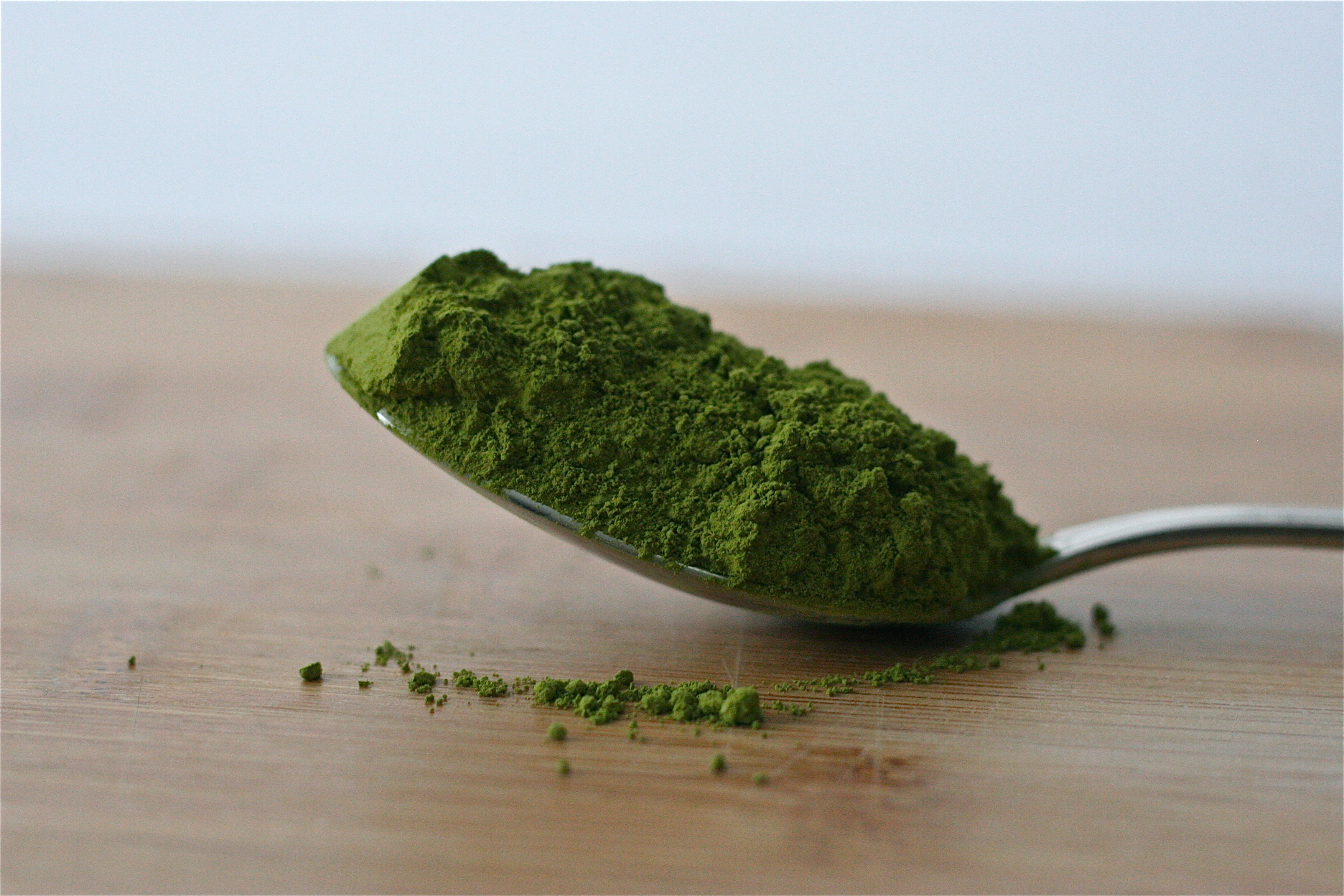
Matcha green tea powder is quite popular for its antioxidant powder that is potentially greater than regular bagged green tea.

IMG_7028

Why you might ask?

Matcha green tea is slightly different from traditional green tea in a few ways.

Consumption:

Matcha green tea is the whole tea leaf ground into a powder. This powder is then mixed in with hot water for a frothy tea beverage, ultimately allowing you to consume whole tea leaves. On the other hand, general consumption of regular green tea is the infused water from the leaves instead of whole tea leaf consumption.

Growth:

About six weeks prior to harvest time, matcha green tea leaves are shaded to help reduce sunlight and photosynthesis. As a result, the chlorophyll and amino acid content is intensified, which helps contribute to its umami flavor profile and wonderful antioxidant power. High quality matcha is grown in near darkness prior to harvest.

Health Benefits:

Matcha green tea also contains l-theanine and epigallocatechin gallate (EGCG), which have antioxidant properties, help fight inflammation in the body, and may improve alertness. Due to lack of scientific evidence specific to matcha green tea, there is no clear indication to drink matcha green tea over regular green tea. However, due to the fact that really good quality matcha creates an amazingly frothy, creamy latte AND has potential to repair the damage I do to my body on the weekends, I’m sold. Try using in lattes, smoothies, and sweet or savory sauces. It is not recommended to drink more than 2 cups of matcha green tea daily due to its nutrient concentration.

Now let’s get to the recipe!

These matcha green tea balls are a great snack to hold you over between meals, give you a boost before or after a workout, or as a healthy dessert after dinner. I made these babies for my coworkers as a holiday gift because I’ve got “matcha” love for my team 🙂 Hope you enjoy!

Matcha Green Tea Energy Balls

Course Dessert, Snack
Total Time 45 minutes
Servings 48 balls
Author Elizabeth Weber

Ingredients

  • 1 cup sliced almonds
  • 1/2 cup old-fashioned oats
  • 1/2 cup unsweetened cocoa powder
  • 1 cup medjool dates, pitted and chopped
  • 2 tsp vanilla extract
  • 2 tsp pure maple syrup
  • 1/4 cup unsweetened soy milk (or other non-dairy milk of your choice)
  • 1/2 cup semi-sweet mini chocolate chips
  • 1/4 cup matcha green tea powder

Instructions

  1. Pit and chop the dates. Place matcha powder in a medium-sized mixing bowl and set aside.

  2. Combine the almonds, oats, and cocoa powder in a food processor and pulse until evenly distributed.

  3. Add the dates, vanilla extract, maple syrup, and 1/8 cup of the soy milk. Pulse until the mixture is formed. After adding the first 1/8 cup of soy milk, add 1 tsp of soy milk at a time until the mixture is moist enough to roll, but not too wet where it is constantly sticking to your hands.

  4. Roll the dough into ~1 inch size balls and place in the mixing bowl with the matcha green tea powder.

  5. Shake the bowl to coat the balls with the powder. Serve immediately or refrigerate/freeze for later use.


-EAW


Posted on 2 Comments

The Ketogenic Diet and Cancer

The ketogenic diet has been all the rage in the media lately as a potential weight loss diet or as a strategy to reduce cancer cell growth, but is it really safe or evidence-based? I’m about to nerd out with you, buckle up.

Follow my audio guide on WZZM here.

What is the ketogenic diet?

The ketogenic diet (KD) is a high fat, moderate protein, and low carbohydrate diet. Americans generally consume a diet high in carbohydrates (50-75%). The KD diet requires careful calculation to ensure the ratio of fat to protein/carbohydrates is 4:1. When this ratio is achieved, metabolic pathways shift the bodies’ use of glucose as its primary source of energy to fat or ketones (metabolites of fatty acid breakdown). During this process called ketosis, the body starts to metabolize ketones to provide fuel for bodily functions. Examples of high carbohydrate foods that are limited on this diet include sweets, bread, pasta, juice, fruit, and starchy vegetables. Examples of high fat foods that would be included in this diet may be avocado, olive oil, nuts, nut butters, heavy cream, and butter.

This diet has classically been used to treat epilepsy in children and most recently in adults. In regards to cancer, the ketogenic diet has been of particular interest in the treatment of brain tumors, such as glioblastoma multiforme (GBM). However, there has also been interest in its overall treatment of any cancer. Because the brain and cancer cell’s preferred fuel source is glucose, the theory is the KD may alter the metabolism and reduce growth of brain tumor cells and possibly make it more sensitive to treatment (chemotherapy and radiation).

IMG_7016

What we currently know

  • The use of the KD diet is safe and feasible as an adjuvant therapy, but requires frequent lab testing and supervision by a dietitian and physician.
  • The KD diet should be administered over at least 3-4 weeks to see any potential benefit or improvement.
  • Quality of life and current tolerance to cancer treatment should be taken into consideration before starting this diet. If a patient is already having difficulty maintaining their weight or sustaining nutritionally, the ketogenic diet may only exacerbate cancer cachexia and an individuals ability to tolerate treatment. A patient’s safety should always be priority numero uno.
  • Animal-based studies and some human studies have shown promising, yet inconsistent results in reduction of tumor growth with the ketogenic diet, especially with brain cancers.

Questions that still need answering-

  • Does every type and subtype of cancer respond the same way to the KD diet? It’s important to remember that not all cells in the body respond the same way and same goes for cancer cells.
  • What’s the exact dosage or ketogenic diet regimen that is most effective? For example, what exact ratio of fat to carbohydrate will be most successful in reducing tumor growth?
  • What are the specific markers or signals that indicate the ketogenic diet is working as it pertains to cancer? In the case of epilepsy, effectiveness can be seen by a patient not having seizures as a result of successful ketosis, however this would be more difficult in cancer. It may require more frequent CT scans and imaging to check on the growth or lack thereof of tumors as a response to the ketogenic diet. With insurance companies already getting a little iffy with providing coverage for reimaging, this may be a challenge.

IMG_7011.JPG

Other things to consider-

  • Side effects: constipation, fogginess, lightheadedness, and fatigue
  • Better research is needed:
    • Gold standard: Double-blinded, randomized controlled clinical trials
    • Studies specific to cancer type and subtype
  • Good news! Currently, there are several clinical trials and studies ongoing to help address the questions requiring answers.

Takeaway: As an oncology dietitian, I am very excited about the potential of the ketogenic diet being used as a measurable medical nutrition therapy in cancer treatment. But just like any prescription drug or chemo treatment, this needs to have substantial supporting evidence and testing to ensure the treatment is safe and effective. More to come on this topic. Stay tuned…

-EAW


Posted on 2 Comments

Beginner’s Guide to a Plant-Based Diet

No better time than the new year to improve your health and diet. There are plenty of fad diets out there, but when you realize you’re tired of limiting one food or another and want to try a less restrictive and more sustainable long-term diet…a plant-based diet may be the one for you. An extra bonus: a plant-based diet can help reduce your risk of developing chronic disease, such as heart disease and diabetes, and decrease your cancer risk. Let’s get started! Check out my audio guide and WZZM segment here.

What is a plant-based diet?

A plant-based diet puts a large emphasis on incorporating plant-based protein and/ or lean meats, ample amounts of fruits and vegetables, complex carbohydrates, healthy fats, and low-fat dairy. The beauty of this diet is it is all-inclusive. It does’t limit any food groups and allows room for flexibility to make it work for you. Most Americans consume diets high in red meat and refined grains, which may make getting starting a little more challenging than expected, especially if you have any picky eaters in your household. Relax. I’ve got some easy guidelines to help you get started 🙂

The Basics:

Protein:

  • Limit red or processed meat intake to < 18 ounces per week. This includes lunch meat, bacon, sausage, and other cured meats. A deck of cards is about 3 ounces FYI.
  • Instead, choose fish, poultry (chicken or turkey), or other plant-based proteins, such as beans, tofu, or lentils.

Fruits and Vegetables:

  • Aim for at least 2 ½ cups of fruits and vegetables daily.
  • Eat a variety and start by incorporating a fruit or vegetable at each meal or snack.
  • Not sure how to do the variety thing? Pick up a fruit or vegetable you’ve never tried before (or haven’t had in a while) at least once a month. Yes, that may mean that weird prickly fruit you’ve been eyeing with bewilderment for years at the grocery store. Sticking to fruits or veggies in season can also help keep things economical.

Grains:

  • Always aim for using whole grains over refined grains for higher fiber intake and less added sugar.
  • Refined grains include white bread, white rice, pastries, candy, and other high-sugar foods.
  • Complex carbohydrates include whole grain breads and pasta, oats, barley, quinoa, and farro to just name a few.
  • But don’t misunderstand. Just because I call them complex, doesn’t mean they are any more complex to cook than those refined grains listed above. When all else fails, READ THE BACK OF THE BAG. Generally, they have basic instructions and even a little recipe to get you started.

Fats:

  • Opt for monounsaturated and polyunsaturated fats instead of saturated fats.
  • Mono- and poly-unsaturated fats include avocado, olive oil, walnuts, nuts, seeds, soybeans, etc.
  • Start by ditching the weird margarines and butter (unless you’ve got that portion control and serving size shit down pat).

Dairy:

  • Choose low-fat dairy instead of full-fat to avoid excess calories from fat that can lead to an unhealthy weight.
  • Again, there is a place for that creamy full-fat yogurt in a healthy diet if you have a good handle on serving sizes, but considering 2/3 of Americans are overweight or obese, I think we could all probably use to cut back on calories from excess fat wherever possible.

Alcohol:

  • If you don’t drink, don’t start. Period.
  • Don’t get me wrong. I love my chardy parties, but I try to keep that for the weekend so it feels like a treat.
  • Men: limit intake to 2 drinks per day
  • Women: limit intake to 1 drink per day
  • 1 serving: 12 ounces of beer, 5 ounces of wine, or 1 ½ ounces of hard liquor

Takeaway:

  1. Start planning. Meatless Mondays or Salad Sundays. Make a realistic routine out of incorporating these plant-based meals. If you want to start by just doing a meatless meal once a week, then using those catchy phrases is a great reminder to do so.
  2. Keep to the basics. Don’t feel the need to recreate the wheel with new or complex recipes. Use your family favorites and find ways to adjust it to make it more plant-based. Pinterest is a god send so don’t even try to tell me you can’t find ideas.
  3. Make it work for you. Avoid getting overwhelmed and feeling the need to change every part of your diet by focusing on 2 aspects on the diet at a time.

Good luck! And don’t hesitate to email me with questions 🙂

-EAW

Posted on 1 Comment

Top 5 Time-Saving Kitchen Hacks

With Christmas and New Year’s right around the corner, we know there tends to be that one ingredient that you always forget or you don’t have enough time to run to the store to get a last minute recipe item. These easy hacks will help save you time and make cooking or baking a lot less stressful over the next week during the holidays.

Tune in to the audio guide from WZZM here.

  1. Making your own stock but running short on time? Place stock ingredients in a slow cooker on LOW overnight. In the morning, skim the fat, strain, bring to room temperature, and refrigerate.
  2. Measure sticky ingredients without the mess. The struggle is real when going from measuring a tablespoon of honey to a tablespoon of brown sugar. Avoid all the stickiness by spraying the measuring utensil with cooking oil or spray. The ingredients will glide right off the measuring spoon without you having the wash and clean it between ingredients.
  3. Avoid long baking times when it comes to breakfast. Instead of baking an entire quiche for 60 minutes, pour the egg mixture into greased muffin tins and bake at 400 degrees for 15 minutes to save time.
  4. Cooking grains without chicken broth. Are you a fellow ancient grain lover (quinoa, farro, bulgar, etc.), but forgot the chicken broth for cooking? Try using interesting flavored teas, such chai or smoky black tea, that you may have on hand to flavor the water while simmering. Remove the tea backs when the grains are done cooking.
  5. Avoid browning with your guacamole. To keep guacamole fresh and that beautiful green color, place in a container or jar and add water on top. Place in the refrigerator. When ready to use, drain the water and serve.

References:

http://www.cookinglight.com/cooking-101/techniques/food-hacks#cook-up-tastier-grains

Posted on Leave a comment

Healthy Holiday Gift Guide

Tis’ the season for gift giving and receiving. I struggle with this season because I’m going to be honest, I often get wrapped up in the gift giving both literally and figuratively. I am a terrible gift wrapper. These skills do not seem to improve with 28 years of life. Lol.

I have plenty of friends and family that have shared their desire to be healthier this holiday season or start 2018 on a better foot health-wise. This healthy holiday gift guide will give you great ideas to suit anyone this season so you can get back to the most important part of this season: spending time with friends and family or finding ways to give back in your community.

This guide is separated into fitness, food, beauty, and stocking stuffers. Some ideas are for my locals in the Grand Rapids area and some are more generalized to please the masses. Either way, I can bet you will find something that will make someone very happy this Christmas.

FITNESS:

  • Monthly subscription to a local gym or yoga studio. Jump start the new year with more physical activity by taking advantage of holiday gym enrollment discounts in your local community.
    • YMCA of Grand Rapids. Waiving the new membership fee starting December 15th. Adult monthly rate $70
    • Funky Buddha Yoga Hothouse. 2-week trial $25
    • MVP Sportsplex. No enrollment fee and January month free for new members.
  • Wireless Headphones $130. This is a perfect gift for a new or avid runner planning to participate in 2018 races.
  • Resistance Bands $5-10. This could easily be a stocking stuffer as well. It’s a great addition to a home gym collection.

FOOD:

  • Healthy cookbooks (cost varies). Who doesn’t love a new cookbook with pages and pages of beautiful food and new recipes to sink your teeth in? These are a couple great ones to start with, but truly your options are endless.
  • NutriBullet $60.  Pack in the antioxidants this coming year by blending your favorite fruits and vegetables to make some delicious smoothie concoctions. Be sure to try my turmeric, banana, and ginger smoothie recipe in your new blender 🙂
  • Downtown Market gift card for a cooking class $70-100. This is an awesome present for someone that loves to go out on the town, but needs a little help in the cooking department.
  • Blue Apron or Doorganics gift card $60-240. Another great gift for the amateur cooks that are just getting started on their culinary journey or just want to cook a great meal for their significant other.
  • Vegetable spiralizer $20-30. Spiralized vegetables (zucchini, sweet potato, squash, etc.) as a low carbohydrate substitute for standard spaghetti is all the rage right now and for good reason. Let the experimenting begin!

BEAUTY:

  • LUSH gift boxes. Made from fresh organic fruits and vegetables, essential oils, and safe synthetics. Not tested on animals. Handmade using little or no preservative or packaging, using only vegetarian ingredients. $40
  • Serenity Heatable/Chillable Spa Mask $20. Take a moment to relax your eyes with this cold or warm mask.
  • Petal multi-use vitamin E oil $30. Say hello to 2018 with glowing, soft, and rose petal-scented skin 🙂

STOCKING STUFFERS:

  • Hip circle exercise resistance bands $5-10. Get that booty lookin’ tight and fit for spring break 2018 using these resistance bands while weight lifting or even on their own. 
  • Mortar and pestle $10-40. Know someone who is eager to make their own chimichurri or salsa verde? I’ve got just the thing.
  • Vegetable steamer basket $10-15. Avoid mushy, overcooked steamed vegetables with this handy tool.
  • Avocado slicer $10. Honestly, who doesn’t know someone who loves avocado?! This slicer makes cutting an avocado simple and easy.

Happy Holidays friends!

-EAW